Digital Crossovers: How Slot Mechanics Influence Strategy Shifts in Multi-Table Poker Events on Portable Platforms
Blake Carter · May 30, 2026
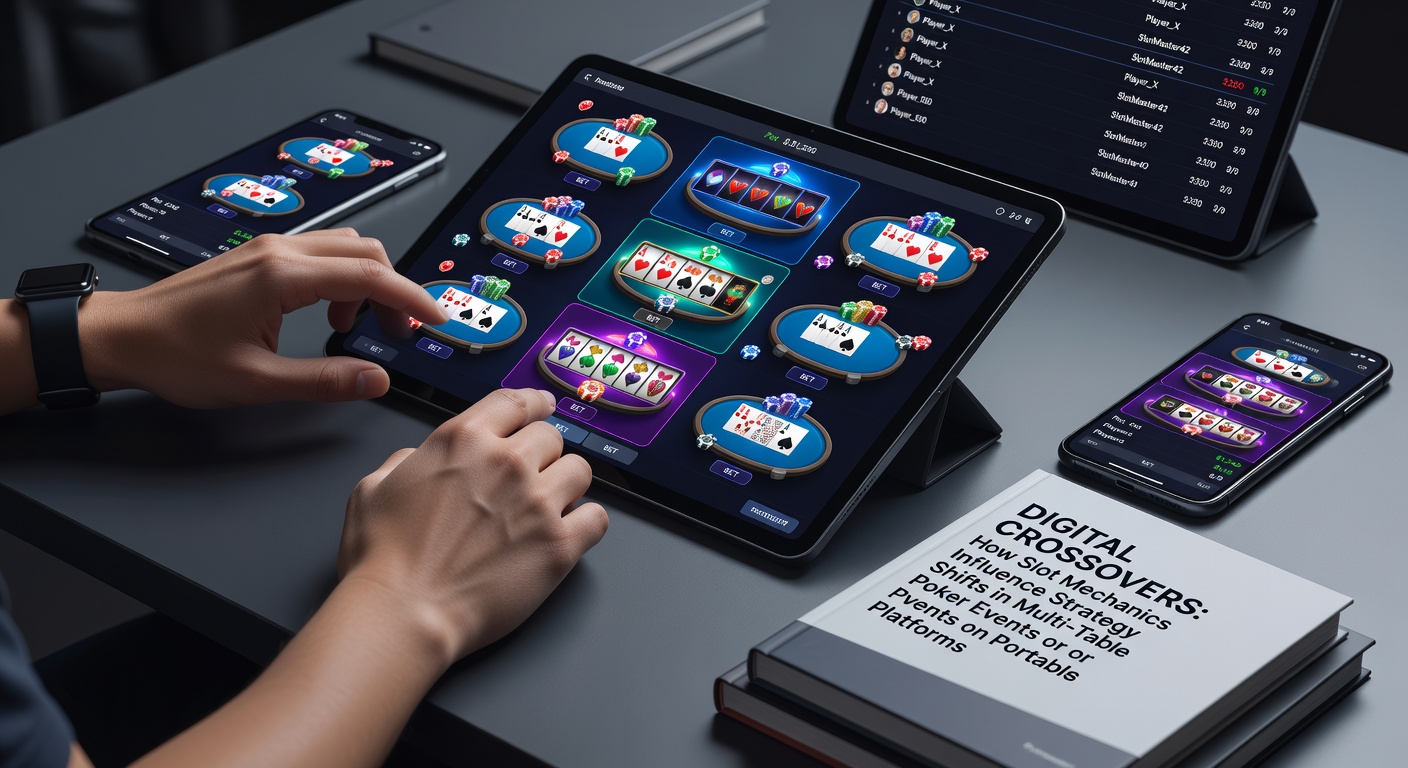
Digital Crossovers: How Slot Mechanics Influence Strategy Shifts in Multi-Table Poker Events on Portable Platforms
Portable platforms have accelerated the blending of slot mechanics into multi-table poker events, and data from industry reports shows how random number generator patterns and bonus triggers reshape player decisions during extended sessions. Observers note that these crossovers appear most clearly in mobile environments where screen real estate limits traditional poker interfaces, forcing adjustments in bet sizing and table selection that echo slot volatility management.
Mechanics at the Intersection
Slot-style features such as cascading reels and multiplier wheels now surface in some poker apps as side bonuses during multi-table tournaments, and researchers at institutions like the University of Nevada have documented how these elements prompt shifts away from standard pot odds calculations toward risk-reward frameworks more typical of reel-spinning games. Players often adjust their starting hand ranges when a bonus meter fills, treating the potential multiplier as an additional variable similar to progressive jackpots rather than pure poker equity.
Portable devices amplify this effect because touch interfaces make rapid table switching easier than on desktop setups, allowing participants to chase slot-like hot streaks across simultaneous events. Figures from recent platform analytics indicate that session lengths in multi-table formats increased notably when bonus mechanics were active, with users reallocating chips toward tables offering the nearest bonus completion.
Strategy Adjustments in Multi-Table Formats
Multi-table poker on mobile requires constant monitoring of multiple stacks and blind levels, yet slot mechanics introduce new decision points where players weigh immediate fold equity against the chance to trigger a free spin or cash multiplier. Studies compiled by the American Gaming Association reveal that participants in these hybrid events tend to tighten early-stage ranges when bonus indicators display high volatility, mirroring the bankroll preservation tactics seen in high-variance slot play.
What's interesting is how portable notifications for bonus availability create external timing pressure that competes with poker clock management, leading some players to fold marginal hands they might otherwise defend in pure poker settings. Data collected across North American operators during spring 2026 tournaments shows measurable increases in all-in preflop decisions coinciding with bonus activation windows.
Platform Data and Player Behavior Patterns
Portable platforms track these interactions through heat maps that highlight where slot-inspired elements draw attention away from standard poker HUDs, and reports from the Malta Gaming Authority have tracked corresponding changes in average hands played per hour. When bonus rounds interrupt multi-table flow, users frequently consolidate tables or exit lower-stakes events to focus on the one offering the nearest payout modifier.

By May 2026, several major operators had expanded these crossover features following successful beta tests in earlier months, resulting in updated tournament structures that incorporate slot-derived leaderboards alongside traditional chip counts. Those monitoring participation metrics note that retention rates improved when players could carry bonus progress between different poker formats without resetting.
Regional Regulatory Context
Regulatory bodies across different jurisdictions have begun examining how these mechanics intersect with existing rules on game fairness and player information disclosure. The Nevada Gaming Control Board has issued guidance requiring clear separation between poker probability displays and any slot-derived bonus visuals to prevent confusion during live mobile tournaments. Similar discussions appear in Australian regulatory reviews, where emphasis falls on ensuring that bonus triggers do not alter the underlying random outcomes of card distribution.
Industry organizations such as the European Gaming and Betting Association have compiled comparative data showing that platforms incorporating slot elements report higher engagement metrics in multi-table settings, though the precise causal links remain under continued study. Observers tracking these developments point to interface design choices as the primary driver behind strategy evolution rather than changes in core poker rules.
Conclusion
The integration of slot mechanics into mobile multi-table poker continues to evolve through platform updates and regulatory feedback loops. Data collected from multiple regions demonstrates consistent patterns in how players adapt their approaches when bonus systems overlay traditional tournament structures, with portable interfaces serving as the primary catalyst for these shifts. As operators refine these features through 2026, the documented behaviors provide a clear record of how cross-genre elements reshape decision frameworks without modifying the fundamental rules of either game type.