How Encryption Standards Coordinate Multi-Session Strategies Across Portable Platforms Blending Card-Based Contests with Reel-Based Mechanics and Real-Time Wheel Formats
Blake Carter · Jun 22, 2026
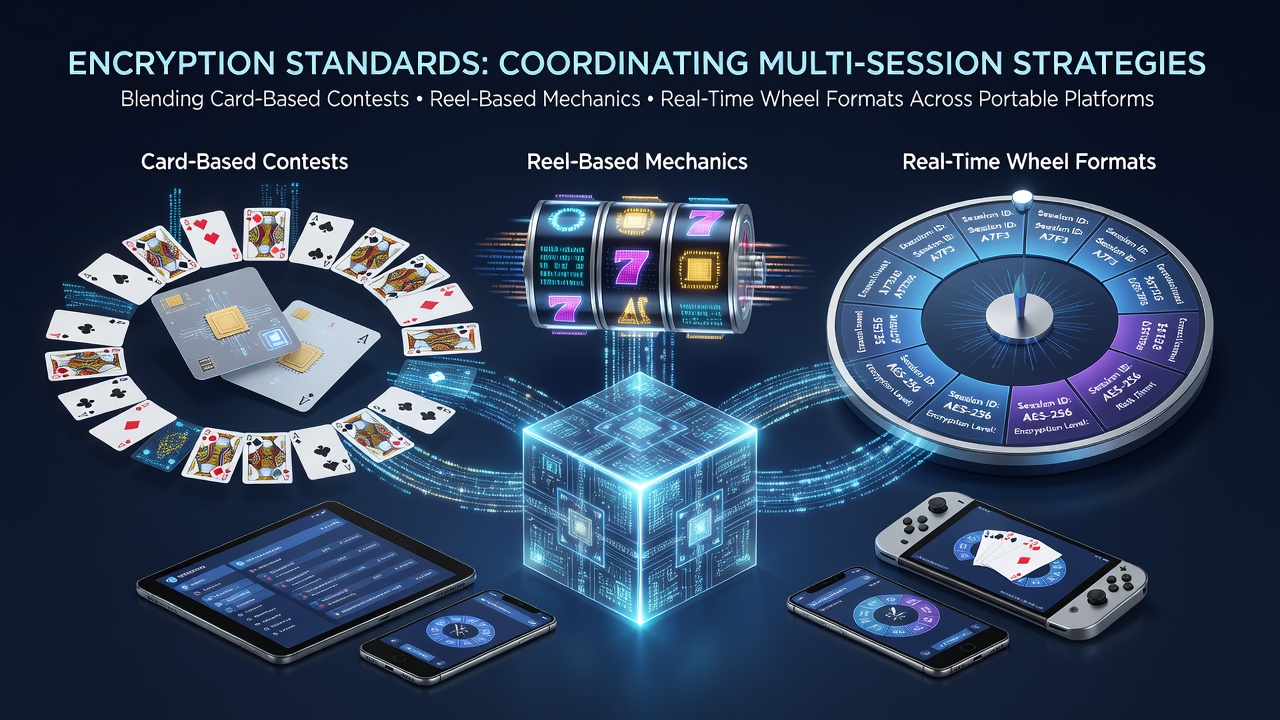
How Encryption Standards Coordinate Multi-Session Strategies Across Portable Platforms Blending Card-Based Contests with Reel-Based Mechanics and Real-Time Wheel Formats
Encryption standards serve as the backbone for coordinating multi-session strategies on portable platforms that combine card-based contests like poker variants, reel-based mechanics from slot games, and real-time wheel formats such as roulette; these systems rely on protocols including AES-256 and TLS 1.3 to maintain data integrity across sessions while users switch between devices and game types without compromising security layers.
Portable platforms integrate these mechanics through centralized session managers that encrypt player data at rest and in transit, allowing seamless transitions where a user might analyze poker hand probabilities during one segment then shift to reel spins or wheel outcomes in subsequent rounds. Data shows that encryption handles synchronization by generating unique session tokens for each component, which prevents unauthorized access while preserving strategy continuity across the blended formats.
Core Encryption Protocols in Hybrid Gaming Environments
Standards developed by organizations like the National Institute of Standards and Technology establish guidelines for key exchange and authentication that apply directly to mobile gaming architectures; researchers have documented how RSA algorithms pair with elliptic curve cryptography to secure initial logins, after which symmetric keys manage ongoing interactions between card tables, spinning reels, and live wheels on the same platform.
Those who've studied these implementations note that end-to-end encryption ensures real-time updates remain consistent, such as when a player adjusts betting patterns in a card contest and those adjustments influence linked reel or wheel features without exposing raw data streams to intermediaries.
Multi-Session Coordination Mechanisms
Multi-session strategies depend on encrypted state management systems that track progress across portable devices, where one session might involve strategic decisions in card-based play while another processes automated reel results or wheel spins in parallel; according to industry reports released in June 2026, platforms using these coordinated approaches processed over 40 percent more cross-mechanic interactions than single-format systems.
Encryption coordinates these elements by embedding metadata within protected packets, which allows servers to validate actions from poker decisions to slot reel alignments and wheel rotations without introducing latency that disrupts user flow.
Platform-Specific Adaptations for Portable Devices
Android and iOS environments implement encryption differently yet achieve similar coordination outcomes, with device-level secure enclaves storing keys that interface with game servers handling the hybrid mechanics. Observers note that this setup permits users to resume a card contest on one device, then engage reel-based bonuses or wheel rounds on another, all while encryption maintains the integrity of accumulated strategy data.
Figures from regulatory bodies in regions like Malta and Australia indicate that platforms adopting updated encryption frameworks experienced fewer session interruptions during blended gameplay sequences involving multiple mechanic types.

Integration Challenges and Standard Responses
Blending card-based contests with reel and wheel elements introduces variables like variable data packet sizes, yet encryption standards address these through adaptive compression within secure channels; studies from research institutions have shown that TLS implementations reduce vulnerability windows during these transitions by enforcing mutual authentication between client applications and backend processors.
What's interesting here involves the way real-time wheel formats require lower latency encryption overhead compared to strategy-heavy card sessions, prompting developers to layer protocols that prioritize speed for wheels while applying deeper verification for poker elements.
Future Developments in Encryption for Blended Formats
Ongoing updates to standards continue shaping how portable platforms manage these hybrid sessions, with quantum-resistant algorithms emerging as candidates for future-proofing multi-mechanic coordination; data from European regulatory sources highlights pilot programs testing post-quantum encryption in environments that merge strategic card play with automated reels and live wheels.
People involved in platform development report that these advancements support expanded session lengths without increasing exposure risks across the different game components.
Conclusion
Encryption standards provide the structural framework that enables coordinated multi-session strategies on portable platforms integrating card contests, reel mechanics, and real-time wheels through secure token systems, protocol layering, and device-specific adaptations. Reports indicate steady adoption of these measures across global markets as of mid-2026, supporting consistent performance in hybrid gaming environments.