Midwest Regulatory Updates Drive New Patterns in Portable Tournament Play Combining Strategic Card Elements with Digital Reel Features
Freya Patterson · Aug 20, 2026
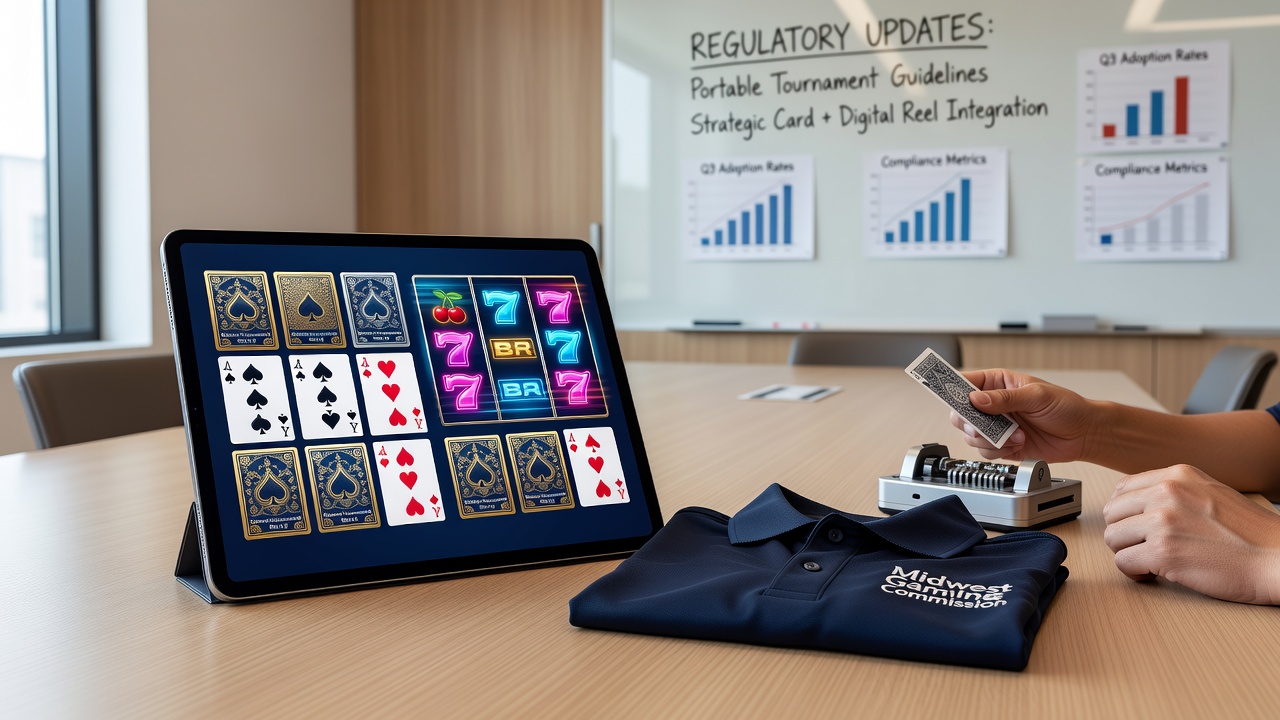
Midwest Regulatory Updates Drive New Patterns in Portable Tournament Play Combining Strategic Card Elements with Digital Reel Features
Regulatory adjustments across several Midwest states have reshaped how portable tournament formats incorporate strategic card play alongside digital reel features, with data from state gaming commissions showing measurable shifts in participation patterns by August 2026. Illinois and Indiana both updated licensing frameworks earlier in the year, which in turn prompted operators to adjust mobile platform structures that combine multi-table poker events with automated reel bonuses.
State-Level Changes Reshape Mobile Tournament Structures
Illinois Gaming Board records indicate that revised mobile wagering guidelines effective in March 2026 expanded the types of hybrid events operators could offer on portable devices, allowing seamless transitions between card-based decision points and reel spin outcomes within single tournament sessions. Indiana regulators followed with similar clarifications in May, creating consistent cross-border opportunities for players who move between state lines while using the same applications. These updates did not alter core game mechanics but did standardize reporting requirements for combined play sessions that merge poker variants with slot-style progressives.
Observers note that platforms responded by introducing new session tracking tools that monitor both card strategy metrics and reel engagement simultaneously, which produced fresh data sets on how participants allocate time across the two elements. Figures from the first half of 2026 reveal increased session lengths in states where the new rules applied, particularly during evening hours when portable device usage peaks.
Hybrid Play Patterns Emerge in August 2026 Data
By August 2026, aggregated reports from multiple Midwest operators showed distinct patterns in how players approached blended tournaments, with card decisions often influencing subsequent reel feature activation rates. One study released through an industry research consortium found that participants who completed early poker rounds at higher win rates tended to trigger more reel bonus sequences later in the same event, suggesting a carryover effect between the strategic and automated components. These findings align with transaction logs that link secure payment protocols to uninterrupted play across both formats.

What's interesting is how these regulatory clarifications encouraged developers to refine interface designs so that players could switch between card tables and reel displays without leaving the tournament lobby. Data indicates that such fluidity contributed to higher retention rates in the months following the updates, especially among users who previously participated only in single-format events. External analysis from the American Gaming Association highlights similar trends in other regions where comparable rule harmonization occurred, though Midwest markets showed faster adoption of the combined formats on portable platforms.
Strategic Adjustments and Platform Responses
Operators adjusted bonus structures to reflect the new regulatory environment, which meant reel features now carried point values that fed directly into overall tournament standings alongside card performance. This integration required updated software that maintained separate tracking for each element while presenting unified leaderboards, a change that several providers implemented between June and August 2026. Researchers at a Midwestern university gaming lab documented corresponding shifts in player behavior, noting that those who balanced aggressive card play with selective reel engagement achieved more consistent rankings across multiple sessions.
Transaction reliability also played a role, since secure payment gateways had to handle rapid switches between card buy-ins and reel feature purchases without interrupting tournament flow. Reports compiled by state oversight bodies show fewer session interruptions in August compared with earlier months, which observers attribute to the refined protocols introduced after the regulatory updates. Platforms that incorporated these changes early gained measurable advantages in user metrics, according to internal operator summaries shared with industry groups.
Cross-State Comparisons and Broader Context
Neighboring states without identical updates continued to show slower growth in hybrid portable events, creating a natural contrast that highlights the impact of the Midwest changes. A Canadian regulatory review published in mid-2026 examined parallel developments in mobile tournament design and reached comparable conclusions about the benefits of integrated card and reel tracking systems. Those findings suggest the patterns observed in Illinois and Indiana reflect wider industry movement toward unified platforms rather than isolated regional anomalies.
Operators continue to monitor how August 2026 participation levels evolve into the fall, particularly as additional rule refinements are scheduled for later quarters. The combination of strategic card elements with digital reel features appears to have established a stable template that aligns with current Midwest compliance standards, while still leaving room for further interface and bonus adjustments based on ongoing data collection.
Conclusion
Midwest regulatory updates have produced measurable changes in how portable tournaments blend poker strategy with reel mechanics, as evidenced by state records, operator reports, and third-party research through August 2026. The resulting patterns show increased session integration, refined tracking tools, and cross-format bonus systems that respond directly to the clarified guidelines. Continued observation of these developments will depend on further data releases from the same regulatory bodies and research sources that documented the initial shifts.