Mobile Loyalty Ecosystems: Patterns Linking Card Competitions to Slot Experiences on Wireless Platforms
Frankie Becker · Aug 3, 2026
Mobile Loyalty Ecosystems: Patterns Linking Card Competitions to Slot Experiences on Wireless Platforms
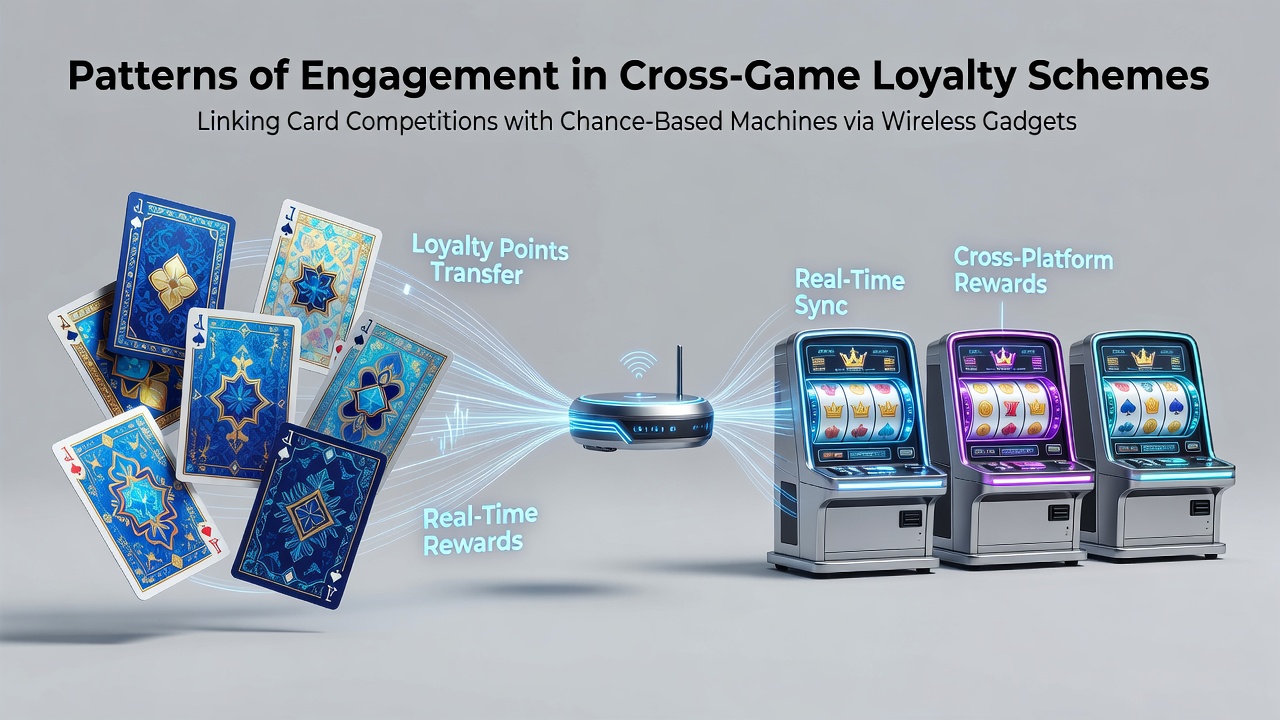
August 2026 has brought expanded data on how loyalty programs merge card-based events with reel-driven games across mobile networks, and observers note consistent participation trends where players move between formats while accumulating unified rewards. These systems track activity through wireless gadgets that sync progress in real time, allowing points earned during strategic card sessions to convert directly into opportunities on chance-based machines.
Core Mechanics of Integrated Reward Structures
Operators deploy unified accounts that register every hand played in poker variants alongside spins on automated reels, and data from multiple platforms indicate users who engage in both categories within a single session receive accelerated tier advancements. Wireless synchronization ensures balances update instantly whether a participant joins a multi-table card event or switches to slot features, creating seamless transitions that maintain engagement momentum without requiring separate logins or manual transfers.
Research from industry monitoring groups shows that mobile interfaces now account for the majority of cross-format activity, with session lengths extending when loyalty multipliers apply across game types. Players receive notifications on their devices about available bonuses that combine elements from both card competitions and reel outcomes, encouraging continued movement between the two rather than isolated play in one category.
Observed Participation Sequences and Timing Patterns
Analyses of user logs reveal recurring sequences where card tournament participants often shift to slot sessions immediately after completing a round, particularly when wireless apps display pending rewards tied to the next format. Those sequences appear most frequently during evening hours, and figures from state regulatory summaries confirm higher conversion rates when loyalty schemes offer tiered multipliers that apply to both card winnings and slot credits earned in the same 24-hour window.
One documented pattern involves users starting with low-stakes card tables to build initial points before activating slot bonuses, whereas another sequence shows the reverse flow where slot play funds entry into higher-limit card events. These movements rely on real-time device connectivity that updates loyalty ledgers across platforms, and studies tracking aggregate behavior note that wireless gadget users exhibit longer overall session durations compared with desktop-only participants.
Role of Device Connectivity in Sustaining Cross-Format Activity
Wireless gadgets enable continuous data exchange between loyalty databases and individual devices, which supports instant redemption of combined rewards and reduces friction during format switches. Platforms utilizing these connections report elevated retention when users receive tailored prompts based on prior activity across both card and reel categories, and evidence from operational reports indicates that push notifications sent via mobile apps correlate with increased return visits within the same loyalty cycle.
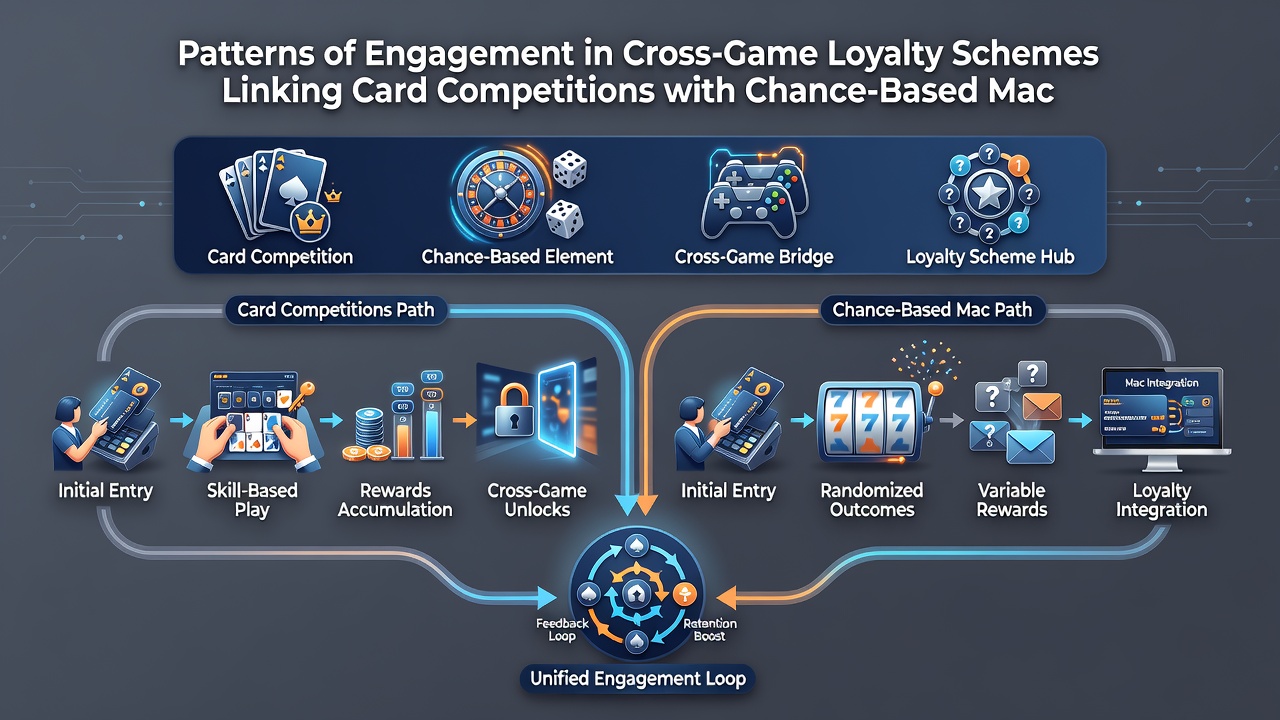
Connectivity also allows operators to adjust reward thresholds dynamically according to collective engagement data, and regulatory filings from various jurisdictions document how these adjustments influence the distribution of play across game types. Participants who maintain active mobile sessions throughout the day demonstrate steadier accumulation of loyalty status, while intermittent connectivity sometimes interrupts the seamless point transfer process that encourages continued movement between card competitions and chance-based machines.
Data Trends from Regulatory and Industry Sources
According to summaries released by the New Jersey Division of Gaming Enforcement, cross-format loyalty participation contributed measurable portions of overall mobile handle during the first half of 2026, with wireless device activity showing particular strength in programs that link strategic card events to automated reel outcomes. Similar patterns surface in reports from the Australian Communications and Media Authority, where aggregated figures reveal sustained user migration between game categories when loyalty mechanics operate through portable interfaces.
Academic reviews of transaction logs further indicate that reward redemption rates rise when users access unified dashboards on smartphones, and industry associations such as the American Gaming Association have compiled statistics confirming that device-enabled loyalty schemes reduce the separation traditionally observed between card and slot player segments. These trends hold across multiple markets, though specific conversion volumes vary by operator implementation and regional regulatory frameworks.
Conclusion
Patterns emerging through August 2026 demonstrate that wireless gadgets serve as the primary conduit for loyalty programs connecting card competitions with chance-based machines, and aggregated data continue to track how these integrations shape session structures and reward accumulation. Continued monitoring by regulatory bodies and research institutions will provide further clarity on how mobile connectivity influences sustained participation across both formats in unified ecosystems.