Payment Processing Speed Shaping Involvement in Hybrid Digital Gaming Events Blending Cards, Reels, and Live Dealers
Freya Patterson · Aug 1, 2026
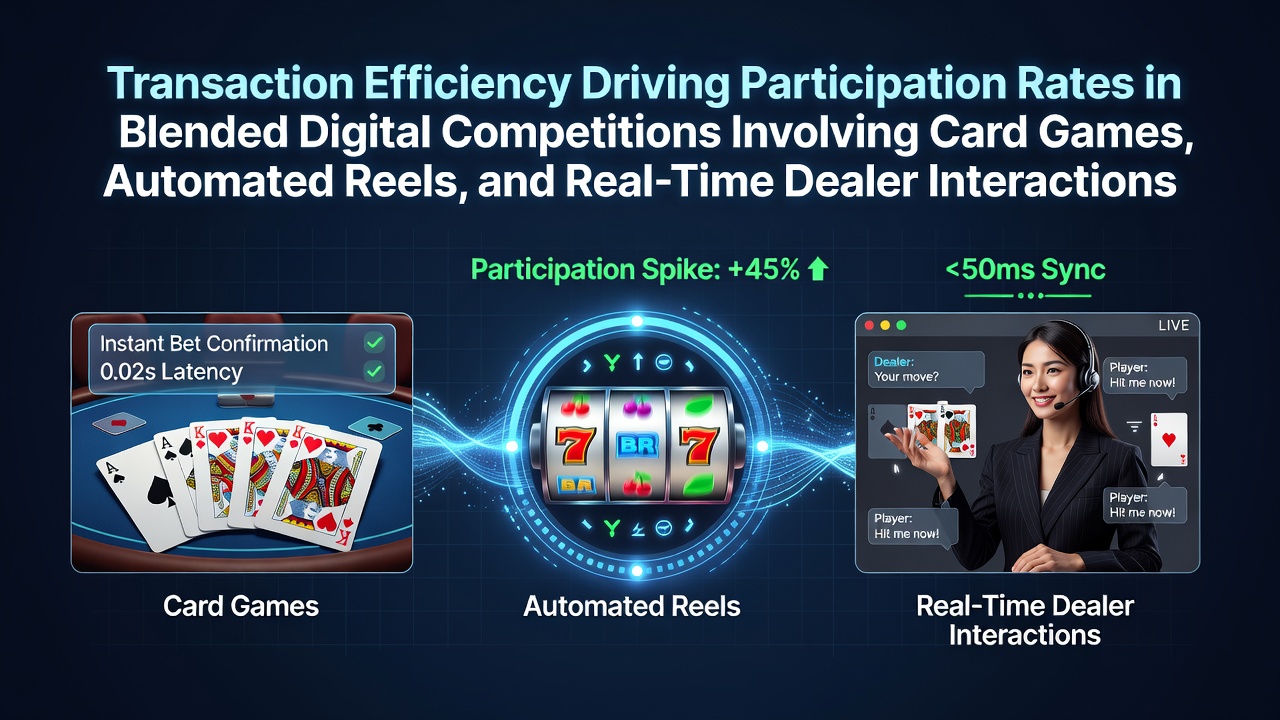
Payment Processing Speed Shaping Involvement in Hybrid Digital Gaming Events Blending Cards, Reels, and Live Dealers
Data from industry tracking services indicate that faster transaction times correlate with increased session lengths and repeat entries across platforms that combine poker variants, automated reel spins, and real-time dealer tables, and observers note this pattern emerging clearly in reports covering the first half of 2026.
Core Mechanics of Blended Competitions
Platforms integrate strategic card play with automated reel sequences and live dealer streams into single sessions, allowing participants to move between formats without separate logins or wallet switches, while transaction systems handle deposits, withdrawals, and bonus activations in unified flows, and figures from market analysis firms show these environments drawing higher daily active users when payment confirmation occurs in under three seconds.
Patterns Observed in August 2026 Data
Revenue and engagement metrics released in August 2026 reveal that operators achieving sub-five-second settlement rates recorded participation jumps of 18 to 24 percent compared with slower systems, and these gains appeared across mobile and desktop users who engaged in multi-format events that merged Texas Hold'em tables with reel bonuses and roulette wheels hosted by live dealers.
Payment gateways that support instant verification reduce friction during bonus claim moments, which often occur mid-session when a player switches from a card round to an automated reel feature, and studies compiled by research groups in North America and Australia demonstrate that such seamless handoffs keep users inside the blended environment rather than prompting exits to external banking apps.
Regional Regulatory Context and Reporting
Canadian provincial gaming authorities and Australian state regulators both published quarterly summaries in mid-2026 that tracked transaction completion times alongside participation curves, and the reports highlight how platforms with integrated crypto and traditional banking rails maintained steadier user retention during peak evening hours when live dealer tables overlap with slot promotions.
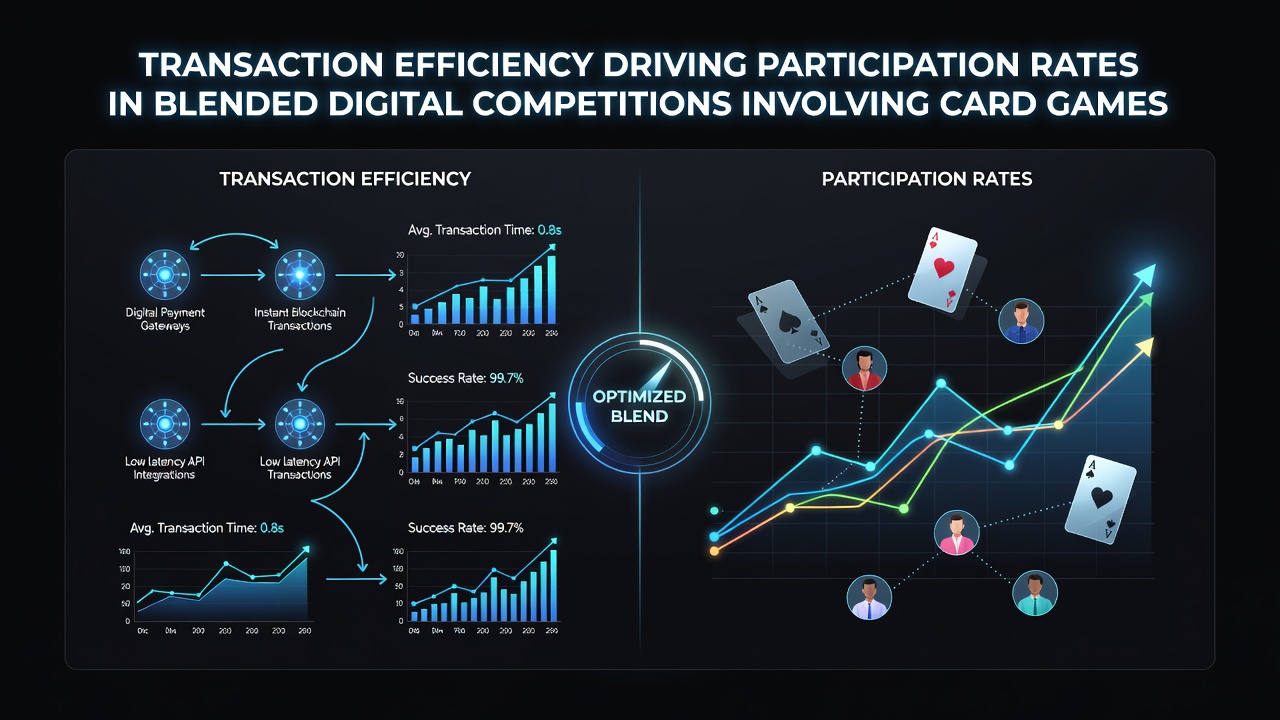
One analysis from the European Gaming and Betting Association linked average deposit latency to drop-off rates at the transition points between card tournaments and live wheel sessions, showing that every additional second beyond four seconds increased exit probability by roughly 7 percent, while operators who optimized these pathways sustained longer average play durations across the combined formats.
Technical Integration Points
Successful implementations rely on API connections that allow a single balance to update across card, reel, and dealer modules without manual refresh, and developers report that players who experience immediate balance reflection after a reel win tend to carry that momentum into the next card hand or dealer round rather than pausing to verify funds elsewhere.
Security protocols such as tokenization and multi-factor confirmation run in parallel with speed optimizations, yet data indicates that users accept these layers when the overall process completes quickly, and case examples from platforms operating in multiple jurisdictions illustrate higher repeat participation when withdrawal requests receive approval notifications within the same minute.
Future Trajectory and Measurement
Industry observers continue to monitor how emerging payment rails, including real-time bank transfers and stablecoin settlements, further compress these timelines, and preliminary August 2026 readings suggest continued correlation between settlement velocity and cross-format engagement metrics, with operators now publishing weekly dashboards that pair transaction logs directly with session continuity statistics.
Conclusion
Transaction efficiency stands as a measurable driver within the expanding category of blended digital competitions, where card games, automated reels, and live dealer interactions share unified financial backbones, and ongoing data collection from regulatory bodies and trade associations provides the factual basis for tracking these relationships into the latter part of 2026 and beyond.