Payment Protocol Shifts Driving User Patterns in Mobile Blended Gaming Formats Combining Card Strategy, Reel Spins, and Live Wheel Mechanics
Nils Klein · Aug 8, 2026
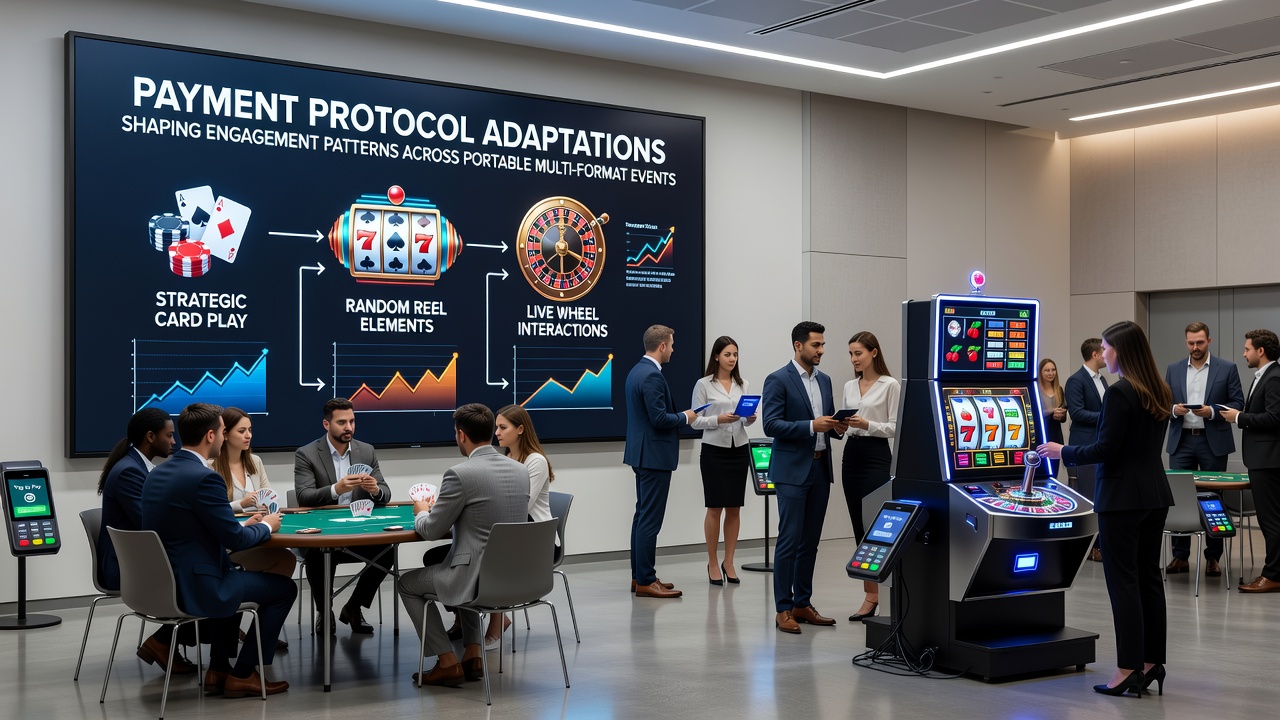
Payment Protocol Shifts Driving User Patterns in Mobile Blended Gaming Formats Combining Card Strategy, Reel Spins, and Live Wheel Mechanics
Payment protocol adaptations continue to influence how participants interact with portable multi-format events that combine strategic card play, random reel mechanics, and live wheel elements, according to industry data compiled through mid-2026. These events allow users to switch between poker variants, automated slot features, and real-time roulette sessions on a single mobile session, and transaction systems have evolved to support seamless movement between those components without interruptions.
Current Landscape of Hybrid Mobile Events
Portable platforms hosting these blended experiences reported increased session durations during the first half of 2026, with payment integrations playing a central role in maintaining flow across game types. Data from regulatory filings show that operators updated their processing layers to handle instant deposits and withdrawals while users transition from card tables to reel spins or live wheel rounds. Researchers tracking user behavior note that protocols supporting multiple payment rails reduce friction points that previously caused drop-offs during format switches.
Key Adaptations in Transaction Systems
Operators implemented layered authentication methods that verify transactions across different game modules without requiring repeated logins, and this approach connects directly to higher retention rates in hybrid environments. Secure tokenization now covers both fiat adn alternative methods, allowing participants to maintain balances that apply uniformly whether they engage in poker strategy sessions, trigger reel bonuses, or place live wheel bets. Figures from North American markets indicate that platforms adopting unified wallet systems saw transaction success rates climb above previous benchmarks by August 2026.
One study revealed that when payment confirmations occur within two seconds, users maintain momentum across card, reel, and wheel segments rather than pausing or exiting. Those who've examined session logs observe that protocols incorporating biometric verification alongside traditional PIN methods correlate with fewer abandoned carts during mid-session top-ups. And yet reliability remains the deciding factor, because inconsistent processing still disrupts the rhythm of multi-format play even when security standards meet industry thresholds.
Engagement Patterns Across Formats
Engagement data shows distinct spikes when payment protocols align with the pacing of each element. Card-focused segments benefit from protocols that permit rapid small-stake adjustments without leaving the table interface, while reel sequences often pair with automated bonus triggers funded through the same wallet. Live wheel interactions, meanwhile, draw higher volumes when instant funding supports real-time betting adjustments, and operators have adjusted their systems accordingly to capture those moments.
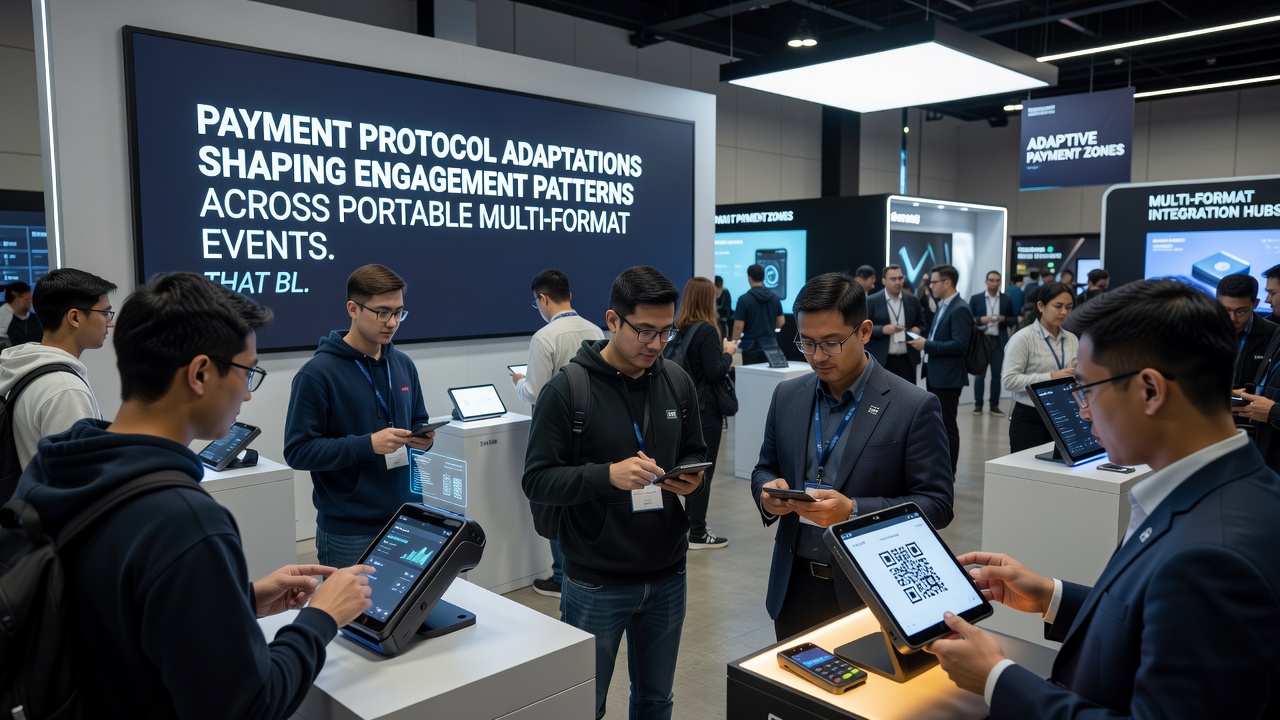
Regional reports compiled through August 2026 highlight variations in adoption speed. Markets with established mobile infrastructure demonstrate faster uptake of these adapted protocols, whereas emerging areas continue refining integration between legacy banking rails and newer digital options. Industry organizations such as the American Gaming Association have documented how these differences affect overall participation metrics across portable hybrid events.
Security Measures and Their Influence
Enhanced encryption standards applied at the protocol level reduce concerns over data exposure during cross-format transitions, and this stability encourages longer continuous play sessions. Participants report fewer interruptions when moving balances between strategic card play and chance-based reel or wheel elements, because verification steps now operate in the background rather than halting activity. Observers note that platforms emphasizing end-to-end encryption alongside real-time fraud detection maintain steadier engagement curves compared to those relying on older sequential checks.
Research indicates that multi-factor confirmation methods tailored to mobile environments support higher completion rates for combined game sessions. When users complete a poker hand and immediately fund a reel bonus or live wheel spin, the underlying protocol must handle the sequence without exposing vulnerabilities, and successful implementations have become standard in leading portable offerings by late summer 2026.
Regional and Platform Variations
Canadian and Australian regulatory environments have introduced guidelines that encourage payment innovations while preserving consumer protections, and operators in those jurisdictions have integrated these requirements into their hybrid event frameworks. European platforms, drawing from Malta Gaming Authority frameworks, emphasize similar protocol upgrades to sustain cross-border participation in blended card, reel, and wheel formats. These adaptations reflect broader shifts toward unified transaction layers that function consistently regardless of game type or device.
What's interesting is how these changes affect smaller operators who must balance compliance costs with user expectations for fluid movement between formats. Platforms that prioritize adaptable protocols tend to report steadier growth in active users across portable sessions, while those slower to update see measurable gaps in engagement during peak hours.
Conclusion
Payment protocol adaptations have become integral to the operational structure of portable multi-format events that merge strategic card play with random reel and live wheel elements. Data compiled through August 2026 demonstrates measurable connections between transaction reliability, security features, and sustained participation across these hybrid experiences. As platforms continue refining these systems, the patterns of user movement between game types provide ongoing indicators of how payment infrastructure shapes overall engagement in mobile environments.