Payment Selection Patterns Driving Tactical Shifts in Smartphone Multi-Game Tournaments
Nils Klein · Aug 15, 2026
Payment Selection Patterns Driving Tactical Shifts in Smartphone Multi-Game Tournaments
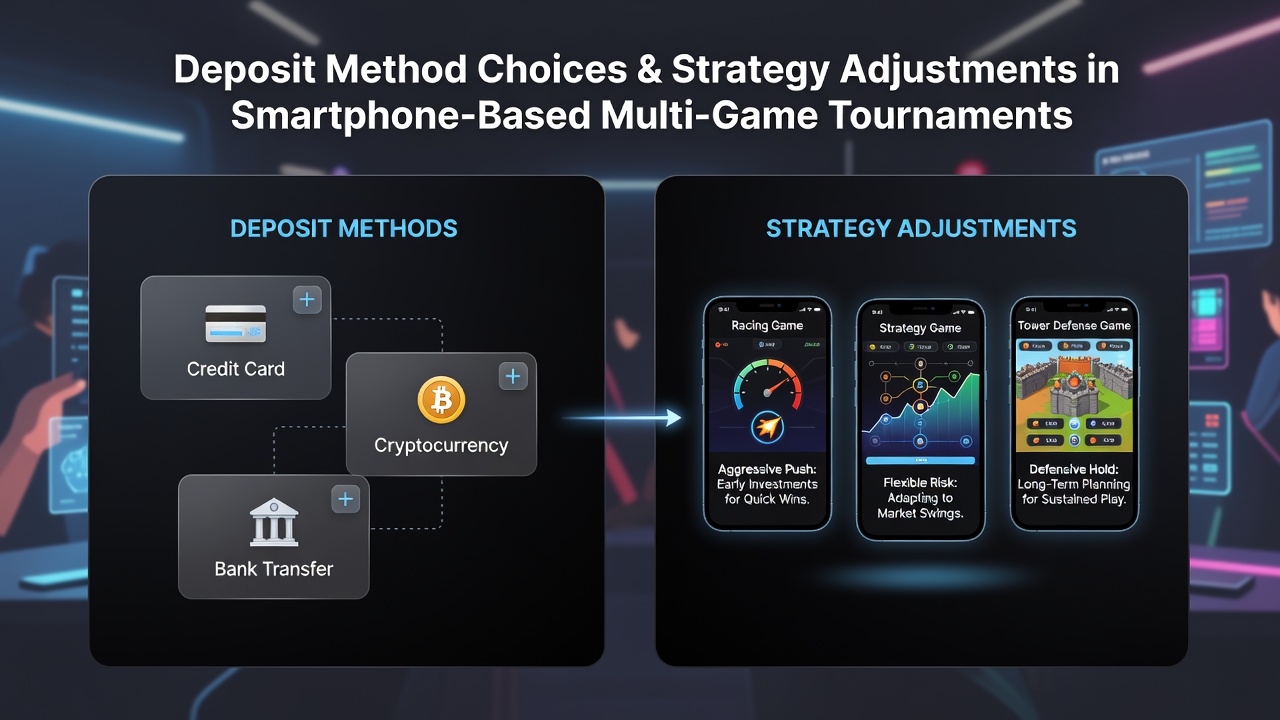
Smartphone-based multi-game tournaments continue to expand across digital platforms in August 2026, with players blending poker variants, slot mechanics, and live dealer formats on the same devices, while deposit method choices increasingly shape how participants adjust their entry timing, bankroll allocation, and risk thresholds. Industry data shows that payment speed, associated fees, and bonus eligibility tied to specific methods create measurable differences in how competitors approach blended events, where quick transitions between game types demand flexible funding strategies.
Common Deposit Methods in Mobile Tournament Environments
Players select from credit and debit cards, digital wallets such as Apple Pay and Google Pay, bank transfers, and cryptocurrency options when funding accounts for these events. Each method carries distinct processing times that range from instant approvals for certain wallets to several business days for traditional transfers, while fee structures vary from zero-cost instant options to percentage-based charges on larger amounts. Researchers tracking participation rates note that methods enabling rapid top-ups allow competitors to respond to sudden tournament openings without disrupting ongoing sessions across poker tables and automated reel games.
Speed, Fees, and Bankroll Adjustments
Transaction velocity directly influences how participants manage their available funds during multi-stage tournaments. Instant methods reduce the gap between decision and entry, enabling players to allocate smaller portions across several simultaneous formats rather than committing larger sums upfront. Data from regulatory filings indicate that lower-fee options preserve more capital for re-entries or side events, prompting adjustments such as spreading entries across multiple game types instead of concentrating on single high-stakes poker brackets. Observers have documented cases where delayed processing leads competitors to reserve funds for fewer but more selective entries, particularly when live dealer roulette segments require immediate buy-ins after slot rounds conclude.
Bonus Structures and Method-Specific Incentives
Many platforms tie promotional credits and deposit matches to particular payment types, which alters the effective cost of tournament participation. When a digital wallet qualifies for enhanced rewards, players often recalibrate their overall strategy to prioritize those channels for initial funding, then shift remaining balances toward other methods for subsequent rounds. Figures released by the Australian Gambling Research Centre reveal correlations between bonus-linked deposits and increased engagement in hybrid events, where participants leverage the added value to cover multiple game entries without expanding their core bankroll.
Those who study mobile gaming patterns report that cryptocurrency users sometimes experience different volatility handling, since conversion rates can affect the precise amounts available at the moment of tournament registration. This leads some competitors to time their deposits around market stability windows, adjusting entry volumes accordingly while monitoring live dealer blackjack tables that run parallel to slot features.
Observed Patterns in Blended Tournament Play
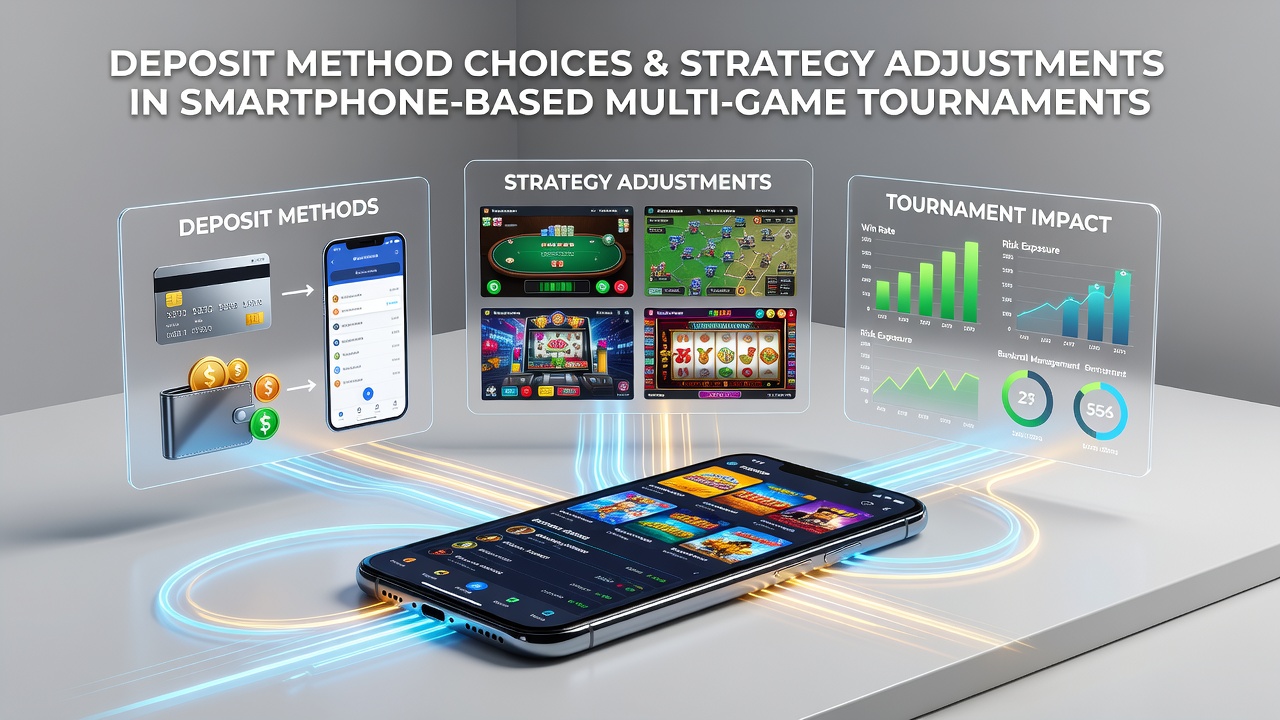
Multi-game formats on portable devices create unique demands because transitions between poker, slots, and wheel-based games happen rapidly within single sessions. Participants using fee-free instant methods tend to maintain higher liquidity across their accounts, which supports aggressive re-entry tactics when early rounds eliminate portions of the field. In contrast, those relying on methods with processing delays often adopt more conservative pacing, focusing resources on fewer formats while waiting for confirmations. Reports compiled through industry tracking show these differences appear consistently across regional markets, with August 2026 data highlighting elevated activity on platforms that support seamless wallet integrations for cross-genre events.
Take one documented tournament series where players combined Texas Hold'em variants with progressive slot bonuses and live roulette wheels. Competitors who selected digital wallet deposits adjusted their risk parameters more frequently, moving smaller stakes between game types as bonus thresholds were met, whereas bank transfer users maintained steadier commitments to their initial game selections until funds cleared.
Regulatory Context and Platform Trends
Authorities in multiple jurisdictions continue to monitor how payment options intersect with responsible gaming tools inside these mobile environments. The National Council on Problem Gambling has published summaries noting that clearer fee disclosures and deposit speed indicators help participants make informed choices that align with their intended tournament strategies. Platform operators respond by highlighting method-specific features directly within tournament lobbies, allowing users to compare processing details before committing funds to blended competitions.
Conclusion
Deposit method selections remain intertwined with the tactical decisions players make in smartphone multi-game tournaments, as processing characteristics and incentive structures guide everything from entry timing to bankroll distribution across poker, slots, and live dealer components. Continued evolution in mobile payment systems suggests these connections will grow more pronounced as platforms refine their offerings for August 2026 and beyond.