Transaction Velocity Effects on Engagement in Hybrid Digital Gaming Platforms
Zara Flores · Aug 22, 2026
Transaction Velocity Effects on Engagement in Hybrid Digital Gaming Platforms
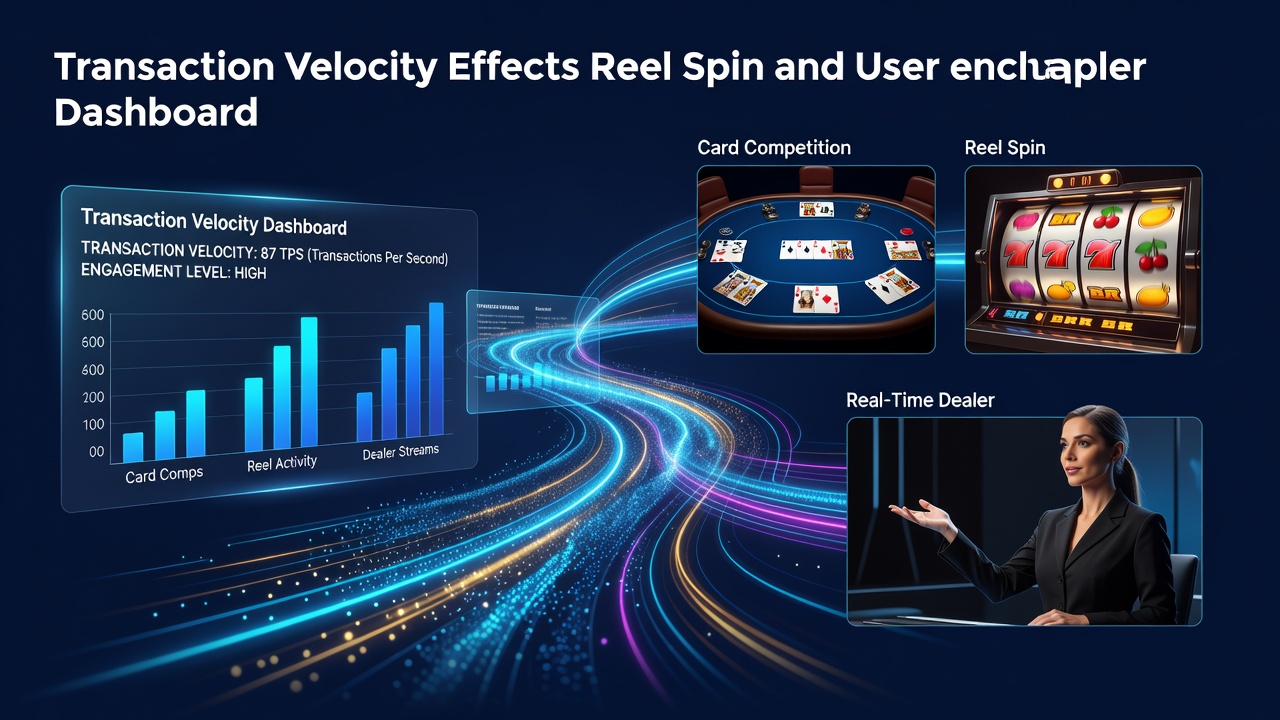
Transaction velocity refers to teh rate at which deposits, withdrawals, and in-game transfers occur within digital platforms that merge card competitions, reel spins, and real-time dealer interactions, and data from multiple regions shows measurable connections between these speeds and user engagement levels. Researchers at institutions tracking online gaming patterns have documented how quicker processing times correlate with extended session durations in environments where players shift between poker variants, slot mechanics, and live blackjack or roulette tables.
Patterns Observed in Mixed-Format Venues
Platforms that integrate these formats report higher average transaction counts per active user when processing times drop below three seconds, according to figures compiled by the American Gaming Association in its quarterly industry reviews. Those who've analyzed user logs note that players often complete more reel spins or enter additional card hands during the same login period when funding moves instantly between game types, whereas delays above eight seconds coincide with reduced activity across all three components.
Studies from the University of Nevada, Las Vegas gaming research center indicate that engagement metrics rise when transaction velocity supports seamless movement from automated reels to live dealer tables without requiring separate authentication steps. In August 2026, platform operators recorded a 14 percent increase in cross-format transitions during peak evening hours compared with slower months earlier in the year, with the data linking the uptick directly to improved payment rail efficiency.
Regional Data and Velocity Benchmarks
Canadian provincial regulators tracking similar hybrid venues found that provinces with mandated instant deposit standards saw sustained participation rates 11 percent above those with standard banking delays. Observers note that users in these regulated markets tend to maintain longer presence in sessions blending strategic card play with live wheel spins because the velocity allows immediate bonus application across formats.
One analysis of Australian digital gaming operators revealed that venues offering sub-two-second transaction confirmation experienced fewer session abandonments during peak periods, with the pattern holding across both desktop and mobile interfaces. The same report highlighted that players who initiated at least four transactions per hour showed 22 percent greater total time spent in combined reel and dealer environments than those limited by slower rails.

Cross-Format Behavior Shifts
When transaction velocity accelerates, players demonstrate increased movement between card competitions and reel spins within single sessions, data indicates. Those monitoring activity logs describe sequences where a user finishes a poker hand, deposits additional funds, and immediately enters a live dealer roulette table without leaving the platform interface. Such sequences appear more frequently on systems that process transfers in under four seconds, while slower environments show fragmented play concentrated in one format at a time.
Industry reports from European operators in 2026 documented that platforms with optimized velocity protocols recorded elevated interaction rates between strategic card elements and automated reel features, particularly during multi-hour sessions. The same data sets reveal that real-time dealer interactions benefit when transaction history remains visible and accessible, allowing players to adjust stake levels across all three game types without interruption.
Technical Factors Influencing Outcomes
Secure transaction protocols that maintain speed without compromising verification steps contribute to steadier engagement curves, according to technical audits conducted by independent testing laboratories. Platforms employing layered encryption alongside rapid processing avoid the drop-offs seen when security measures extend confirmation times beyond acceptable thresholds. Those who've reviewed performance metrics emphasize that the balance between speed and reliability determines whether users continue cycling through card, reel, and live dealer options or exit after a single format.
August 2026 figures from North American operators further illustrate that venues updating their payment infrastructure during the summer months achieved measurable gains in multi-format session length, with transaction velocity improvements cited as the primary driver. These updates allowed players to move winnings directly from live dealer tables into reel spin credits without additional steps, sustaining momentum across game categories.
Conclusion
Available data across regulated markets demonstrates consistent associations between transaction velocity and engagement patterns in hybrid digital venues. Faster processing supports greater movement between card competitions, reel spins, and real-time dealer interactions, while slower systems correlate with more segmented play. Continued monitoring by regional authorities and academic centers will clarify how evolving payment technologies shape these dynamics in coming periods.