Transaction Verification Timelines Shape Player Tactics Across Blended Mobile Gaming Platforms
Blake Carter · Jun 25, 2026
Transaction Verification Timelines Shape Player Tactics Across Blended Mobile Gaming Platforms
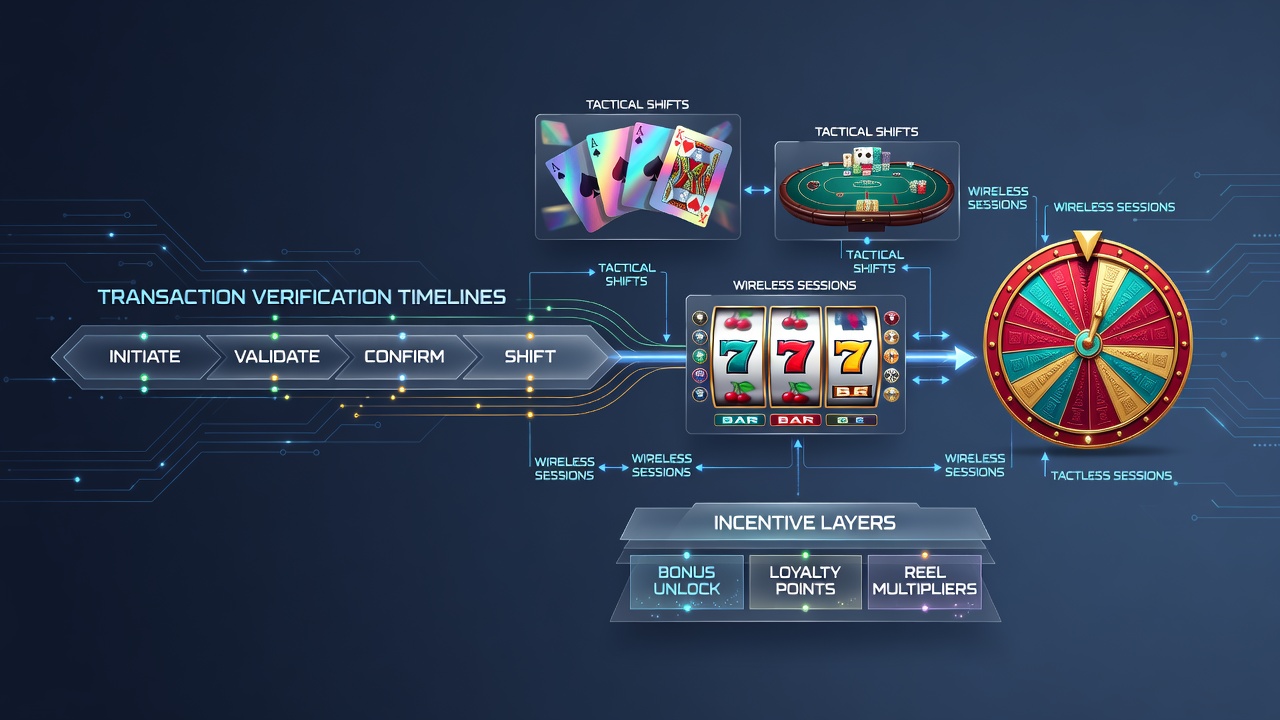
Transaction verification timelines have become central to how participants adjust their approaches in wireless sessions that combine poker contests, reel sequences, and wheel-based contests along with various incentive layers, and data from multiple jurisdictions shows these timing factors directly influence session length, bet sizing, and bonus activation rates. Observers note that faster verification windows allow seamless transitions between game types while slower processes prompt players to consolidate actions or switch focus mid-session.
Core Mechanics of Verification in Hybrid Environments
Wireless platforms integrate poker tournaments with automated reel mechanics and live wheel formats through unified wallets, yet each transaction must pass security checks before funds become available for the next activity, and research indicates that verification windows ranging from under two seconds to over fifteen seconds alter participation patterns. Those who've examined platform logs find that delays exceeding eight seconds correlate with reduced multi-game switching, while sub-three-second clearances support fluid movement from poker tables to slot rounds or roulette spins without interrupting momentum.
Payment rails such as digital wallets, instant bank transfers, and cryptocurrency options carry different baseline speeds, and figures from industry reports reveal that platforms optimizing for the fastest rails see higher engagement in blended sessions. Incentive layers including deposit matches, cashback offers, and loyalty points compound the effect because bonus eligibility often hinges on completed transactions within defined timeframes.
Strategic Adjustments Observed in Poker and Reel Combinations
Players facing variable verification timelines adapt by pre-loading funds before entering poker events or by timing deposits to coincide with reel bonus triggers, and evidence suggests these adjustments become more pronounced during peak hours when network load extends processing times. In sessions blending multi-table poker with slot sequences, participants often reserve smaller bankrolls for quick reel spins while holding larger amounts for poker buy-ins that require immediate confirmation.
One documented pattern shows increased use of scheduled deposits ahead of wheel-based contest entries, allowing verification to complete before the next spin cycle begins. Data indicates that such preparation reduces abandoned carts and maintains session continuity across game categories.
Impact on Incentive Redemption and Session Flow
Incentive layers tied to transaction speed create additional tactical considerations, since many promotions activate only after verification succeeds within a set window, and studies tracking redemption rates demonstrate that delays beyond platform averages lead to forfeited bonuses. Participants therefore monitor status indicators closely and may pause reel sequences or wheel spins until funds clear.
According to reports compiled by the European Gaming and Betting Association, platforms that display real-time verification progress experience fewer interruptions in hybrid play. The same data shows regional variations where certain payment methods consistently outperform others in speed, prompting players to favor those options when targeting time-sensitive incentives.
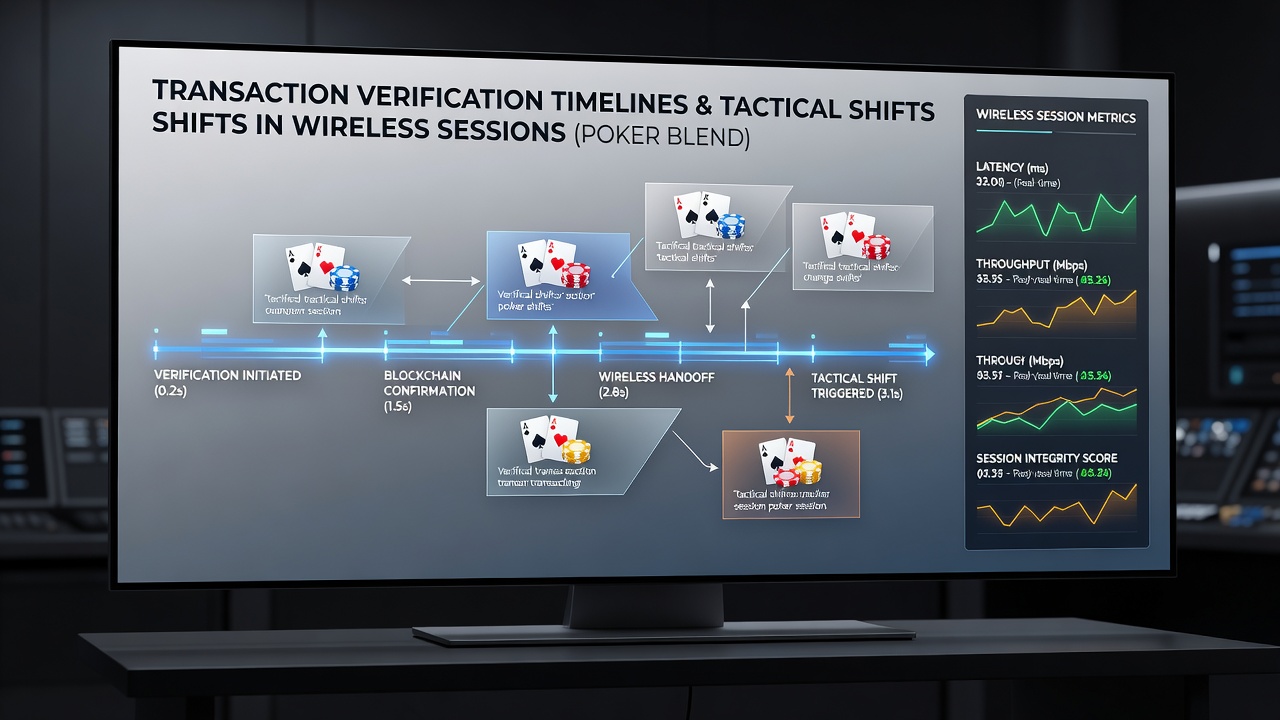
June 2026 platform updates have introduced predictive timers that estimate clearance based on current network conditions, and early metrics suggest these tools help users plan transitions more effectively between poker variants and automated reel features. Observers tracking user behavior note a measurable uptick in completed cross-game sequences when such estimates appear.
Regional Data and Platform Comparisons
Figures released through Canadian provincial gaming authorities highlight similar trends, with verification reliability influencing overall handle in blended mobile offerings. Platforms serving multiple provinces report that users who experience consistent sub-five-second clearances maintain longer combined sessions involving poker, slots, and wheel games.
Additional findings from the Australian Gambling Research Centre indicate that incentive structures linked to rapid verification encourage diversified play across game types rather than concentration in a single category. These patterns emerge because players can move winnings or bonus funds into new contests without extended waits that might break concentration.
Future Developments in Verification Technology
Emerging protocols aim to reduce average verification timelines further through enhanced encryption and parallel processing, and preliminary tests indicate potential for near-instant clearance across all payment types. Such advancements would likely expand tactical options in wireless sessions by removing timing barriers between poker contests, reel sequences, and wheel-based contests.
Platform operators continue refining backend systems to align verification speed with the demands of integrated gaming environments, while maintaining compliance standards across jurisdictions. Ongoing monitoring of user behavior will determine how these changes reshape participation in sessions that blend multiple contest formats with layered incentives.
Conclusion
Transaction verification timelines directly affect how participants navigate blended wireless sessions that merge poker, reel, and wheel elements with incentive structures, and available data confirms measurable shifts in strategy and session composition as processing speeds vary. Continued platform refinements and regional reporting will provide further insight into these dynamics as mobile gaming ecosystems evolve through 2026 and beyond.