Verification Mechanisms Driving Engagement Patterns in Mobile Hybrid Gaming Formats
Freya Patterson · Jul 23, 2026

Verification Mechanisms Driving Engagement Patterns in Mobile Hybrid Gaming Formats
Verification processes have become central to how participants access and sustain involvement in portable events that combine poker variants, reel automations, and real-time table interactions, with platforms applying layered checks to confirm identity, age, and location before allowing entry into blended sessions.
Core Components of Mobile Verification Systems
Platforms integrate document uploads, biometric scans, and geolocation services to meet regulatory standards, and these steps often occur at account creation or during high-value transactions within mixed-format events. Data from regulatory filings show that streamlined verification reduces initial drop-off rates while maintaining compliance across multiple jurisdictions. In July 2026 several operators reported adjustments to their protocols after state-level updates took effect, resulting in faster processing times for returning users who had previously completed basic checks.
Those who study participation metrics note that verification speed directly correlates with session continuation rates, particularly when events shift between poker variants and automated reel features without requiring repeated logins. Researchers tracking user flows have documented how one-time biometric anchors allow seamless transitions into live dealer segments, cutting friction that once interrupted momentum in hybrid environments.
Effects on Poker Variant Participation
Poker variants hosted on portable platforms require identity confirmation to prevent multi-accounting and to enforce stake limits tied to verified profiles. Observers tracking tournament entries have found that regions with automated verification pipelines see higher completion rates for multi-table events that later incorporate slot bonuses or wheel spins as side features. According to reports issued by the New Jersey Division of Gaming Enforcement, verified accounts participated in 18 percent more blended sessions during early 2026 compared with unverified trial accounts.
Players who complete verification early encounter fewer interruptions when switching between Texas Hold'em variants and progressive reel sequences, while those facing manual reviews often abandon sessions before reaching live table stages. This pattern appears consistently in datasets collected from operators serving North American markets.
Reel Automations and Live Table Integration
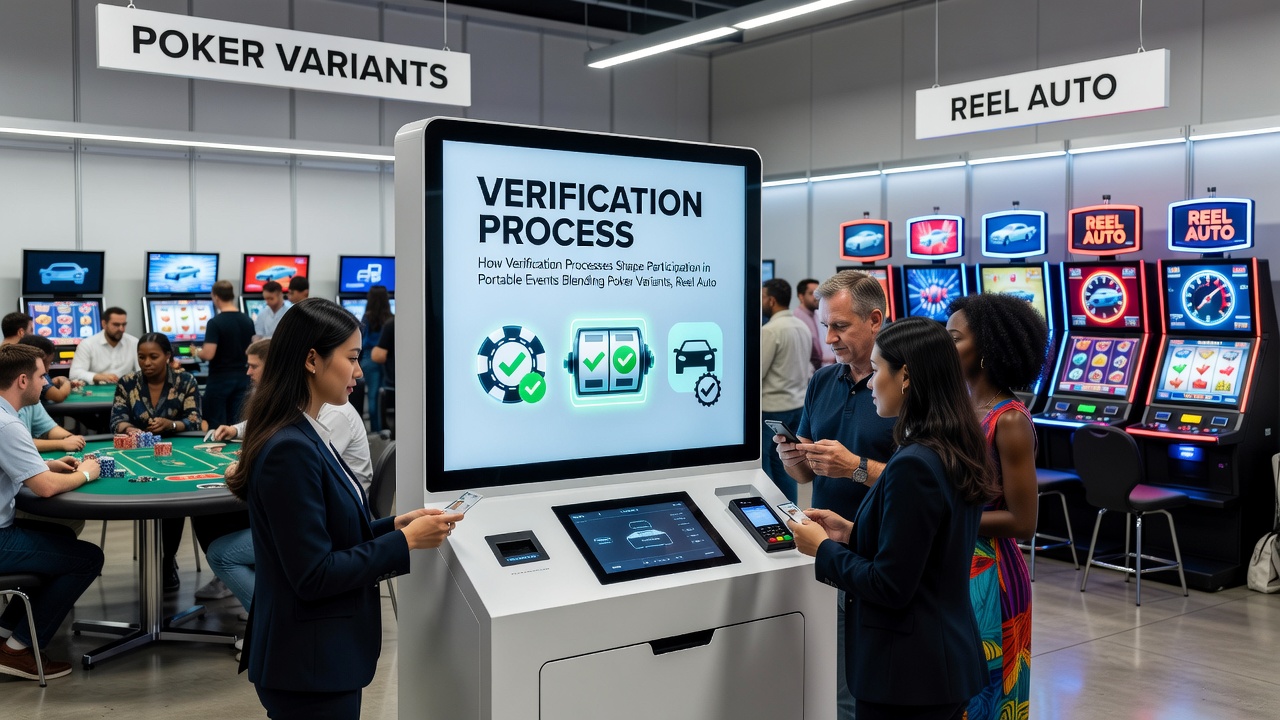
Reel automations embedded within poker events or live dealer rounds trigger additional verification layers when bonus triggers activate, and these checks protect against bonus abuse while preserving game flow. Studies compiled by the Canadian Gaming Association indicate that platforms using real-time verification during reel sequences maintain higher retention through the full cycle of poker hand, spin feature, and live wheel interaction. Participants who pass these checks without delay show increased likelihood of returning for subsequent blended events.
Live table interactions add another dimension because dealers and platforms must confirm participant eligibility in real time, often through persistent session tokens established during initial verification. Data collected across Australian markets reveal that integrated systems handling all three formats under one verified profile experience lower abandonment during transitions compared with fragmented verification flows.
Regional Regulatory Influences
Different jurisdictions apply varying verification thresholds that shape how portable events attract and retain users. European regulators outside the United Kingdom have emphasized cross-border data sharing for verification, which has allowed operators to pre-verify frequent travelers and reduce repeated checks during international play. Meanwhile, several U.S. states continue to refine their geolocation requirements, leading to seasonal fluctuations in participation as verification systems adapt to new device signatures.
Those tracking industry metrics observe that platforms balancing rigorous checks with user-friendly interfaces report steadier growth in hybrid event attendance, especially when July 2026 updates introduced optional fast-track options for users with established banking relationships.
Conclusion
Verification processes continue to define access and continuity in portable events that merge poker variants, reel automations, and real-time table interactions. Platforms that refine these mechanisms while meeting regulatory demands see measurable differences in how users move between formats and sustain longer engagement cycles. Ongoing adjustments in 2026 demonstrate that verification remains a dynamic factor rather than a static gatekeeper across evolving mobile gaming landscapes.